

THE 3RD INTERNATIONAL COGS MEETING (2026)
Keynote Speakers

Dr. Angela Kaida
Dr. Angela Kaida is a global health epidemiologist and recognized leader in sex, gender, and health research. She serves as the Scientific Director of the Institute of Gender and Health at the Canadian Institutes of Health Research (CIHR), a role she assumed in January 2023.
Keynote Title: How Can We Do Better? Peer Reviewers’ Evaluation of Sex and Gender in CIHR Grant Reviews

Dr. Anita Ho
Dr. Anita Ho is a bioethicist with a unique combined academic training and experience in philosophy, clinical/organizational ethics, public health, global health, and business.
Keynote Title: AI Health Monitoring in a Gendered World: Ethical Considerations

Dr. Gillian Einstein
Dr. Gillian Einstein is a full Professor at the University of Toronto asking the question, “Why do more women than men have Alzheimer disease?” Her funding comes from the Canadian Institutes of Health Research (CIHR), Brain Canada, The Ontario Brain Institute, the Centre for Aging and Brain Health Innovation (CABHI), and the Women’s Brain Health Initiative and is directed toward understanding how early life events, including surgeries and cultural practices, affect the trajectory of women’s brain health over the lifespan.
Keynote Title: Dispelling Taboo & Ignorance About the Gendered Body: Situated Neuroscience
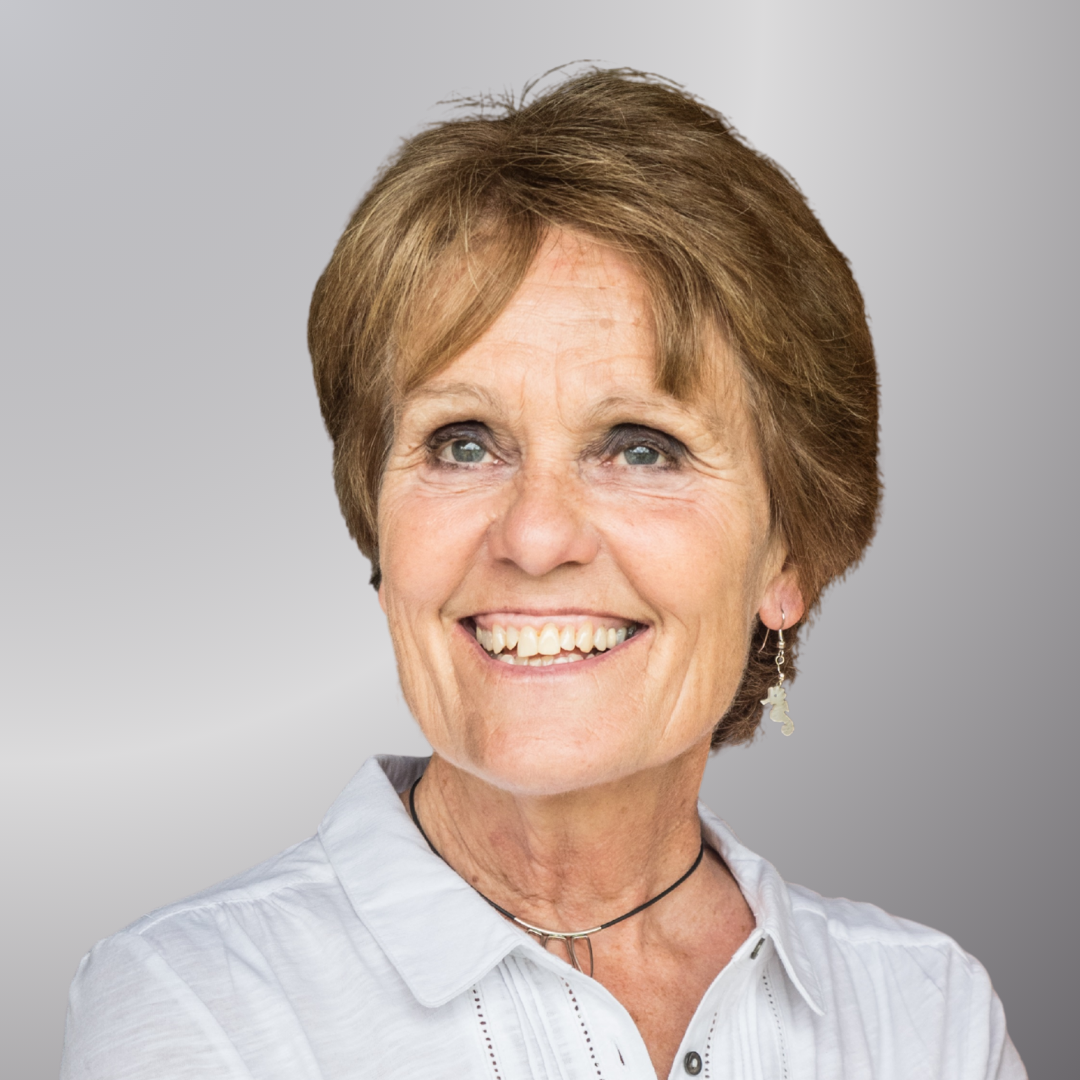
Professor Gina Rippon
Professor Gina Rippon is Emeritus Professor of Cognitive Neuroimaging at the Institute of Health and Neurodevelopment, Aston University.
Her research has involved state-of-the-art brain imaging techniques to investigate developmental disorders such as autism. Her current research interests focus on the under-recognition of autism in women and girls, especially in neuroscience research. Her new book on this topic: The Lost Girls of Autism (UK)/Off the Spectrum (US) was released in April 2025.
She also explores the use of neuroscience techniques to investigate social processes, especially those associated with the development of sex/gender differences in the human brain. She was a member of the Fawcett Society Commission on Gender Stereotypes in Early Childhood, contributing to the report “Unlimited Potential”.
Keynote Title: The Female Protective effect in Autism: Biological Immunity or Diagnostic Invisibility?
Dr. Angela Kaida
Dr. Angela Kaida is a global health epidemiologist and recognized leader in sex, gender, and health research. She serves as the Scientific Director of the Institute of Gender and Health at the Canadian Institutes of Health Research (CIHR), a role she assumed in January 2023. In this capacity, she leads national research and training initiatives advancing sex- and gender-related health priorities and supports the implementation of CIHR’s strategic plan. During her tenure, the Institute is housed at Simon Fraser University (SFU), where she is a Distinguished Professor in the Faculty of Health Sciences and holds the Canada Research Chair (Tier 1) in HIV and Sexual & Reproductive Health Equity.
Presentation title: How Can We Do Better? Peer Reviewers’ Evaluation of Sex and Gender in CIHR Grant Reviews
Dr. Anita Ho
Dr. Anita Ho is a bioethicist with a unique combined academic training and experience in philosophy, clinical/organizational ethics, public health, global health, and business. She is currently Clinical Professor at the Centre for Applied Ethics at University of British Columbia, Associate Professor at the UCSF Bioethics Program, and Vice President of Ethics for CommonSpirit Health in California. An elected fellow of The Hastings Center and an international scholar of more than 100 publications, Anita's current research focuses on feminist bioethics, ethical dimensions of utilizing AI in health care delivery, research ethics, supportive decision making in health care, and end-of-life care issues. She is particularly interested in systemic, gendereed, and social justice issues arising in the use of AI in health care settings. Her book, Live Like Nobody is Watching: Relational Autonomy in the Age of Artificial Intelligence Health Monitoring, was published by Oxford University Press in 2023.
Presentation title: AI Health Monitoring in a Gendered World: Ethical Considerations
AI-enabled health monitoring technologies are increasingly integrated into clinical, home-based, and long-term care settings, often promoted as tools to enhance efficiency, safety, and individual autonomy. Yet AI models are developed and deployed within social and institutional contexts shaped by gendered norms, unequal distributions of care work, and entrenched power asymmetries. This presentation argues that ethical analyses centered on individual consent and privacy are insufficient for assessing the justice implications of AI health monitoring. Drawing on feminist bioethics and a relational conception of autonomy, it examines how gendered expectations regarding caregiving, responsibility, independence, and risk shape both the adoption and expectations around AI health monitoring. The analysis highlights how institutional funding structures, design assumptions, and governance arrangements can constrain meaningful choice, redistribute surveillance and care labor, and differentially burden different populations while framing monitoring as empowering. The presentation concludes by advancing a justice-oriented relational framework that emphasizes interdependence, relational accountability, and the structural conditions necessary for autonomy in technologically mediated care.
Dr. Gillian Einstein
I am a full Professor at the University of Toronto asking the question, “Why do more women than men have Alzheimer disease?” My funding comes from the Canadian Institutes of Health Research (CIHR), Brain Canada, The Ontario Brain Institute, the Centre for Aging and Brain Health Innovation (CABHI), and the Women’s Brain Health Initiative and is directed toward understanding how early life events, including surgeries and cultural practices, affect the trajectory of women’s brain health over the lifespan. The Einstein Lab’s current focus is on how estradiol loss and treatment as well as stigma and immigration affect memory and cognition in diverse populations of women.
In addition to being a full professor in Psychology, I hold The Wilfred and Joyce Posluns Chair in Women’s Brain Health and Aging, am Adjunct Scientist at Baycrest and Women’s College Hospitals, and Honorary Doctor of Medicine, Linköping University, Sweden. I am also a board member of the International Gender Medicine Society, past-Chair of the Canadian Institutes of Health’s Institute of Gender and Health Advisory Board (2014-2024), and Founder and President of the Canadian Organization of Gender and Sex (COGS) Research. I lead the Sex & Gender Hub for the Canadian Consortium on Neurodegeneration and Aging and Co-Leads the University of Toronto’s Women’s Brain Health Rounds.
I use a methodology that I developed called, "Situated Neuroscience" that employs a combination of qualitative, quantitative (questionnaires), and physiological (neuropsychology, brain imaging, blood biomarkers, polysomnography) methods (Very Mixed Methods) to explore how both sex and gender mediate women’s brain health.
Fun fact: I majored in Art History as an undergraduate at Harvard and love spending time in museums and having interdisciplinary conversations!
Presentation Title: Dispelling Taboo & Ignorance About the Gendered Body: Situated Neuroscience
Taboo hides what we can know and encourages ignorance. One of the reasons COGS was established was to dispel taboo and uncover ignorance.
For too long we have been ignorant about the gendered body which has limited what we know about the representation of the body in the brain, women’s reproductive health, how cultural practices shape the body, and ultimately determinants of late-life brain health.
In this talk I discuss four types of ignorance as outlined in Nancy Tuana’s paper, “Women’s Health and the Speculum of Ignorance,” that I believe stem from taboo. I then present four projects from my lab over the years which use an approach, Situated Neuroscience, combining qualitative, quantitative, and physiological methods to uncover ignorance about the gendered body. From this we learn: we need to start studying the female somatosensory cortex beyond the locations for the breast, genitals, and index finger; women’s moods may be influenced more strongly by psychosocial factors than by hormones; women with female genital cutting may have a chronic pain syndrome; and ovarian removal early in life has repercussions beyond the ovaries highlighting the importance of the ovarian-brain connection for women’s brain health.
Dr. Gina Rippon
Professor Gina Rippon is Emeritus Professor of Cognitive Neuroimaging at the Institute of Health and Neurodevelopment, Aston University.
Her research has involved state-of-the-art brain imaging techniques to investigate developmental disorders such as autism. Her current research interests focus on the under-recognition of autism in women and girls, especially in neuroscience research. Her new book on this topic: The Lost Girls of Autism (UK)/Off the Spectrum (US) was released in April 2025.
She also explores the use of neuroscience techniques to investigate social processes, especially those associated with the development of sex/gender differences in the human brain. She was a member of the Fawcett Society Commission on Gender Stereotypes in Early Childhood, contributing to the report “Unlimited Potential”.
She is an outspoken critic of ’neurotrash’, the populist (mis)use of neuroscience research to (mis)represent our understanding of brain-behaviour links, particularly on the topic of sex/gender differences. Her book on such topics, ‘The Gendered Brain’, published by Bodley Head and Penguin Random House, came out in the UK in 2019. She is a member of the international NeuroGenderings network and has co-authored many papers on sex/gender neuroscience.
She is a passionate supporter of initiatives to address the under-representation of women in all spheres of influence, especially science. Under the heading “Mind the Gender Gap”, she has offered a neuroscience-informed approach to diversity and inclusivity initiatives to a wide range of business and political organisations, including the UK’s Cabinet Office and the EU.
Presentation title: The Female Protective effect in Autism: Biological Immunity or Diagnostic Invisibility?
This talk will indicate how unchallenged assumptions about a particular diagnostic category can derail and distort the understanding of the presenting condition at all levels, including risk, presentation, recognition and outcome. It will demonstrate how an over-reliance on traditional essentialist explanations can delay the recognition of the gendered pathways underlying the presentation of both physical and mental health conditions.
The female protective effect (FPE) in autism refers to the hypothesis that females possess biological factors that reduce their likelihood of developing autism or require a higher burden of risk to reach diagnostic thresholds. The concept emerged primarily to explain consistently reported sex differences in autism prevalence and aligned with prevailing assumptions about sex differences in brain development. At the research level, it directed attention toward biological mechanisms of ‘protection’ or ‘risk’, particularly genetics and endocrinology. This focus obscured the role of ascertainment bias, gendered socialisation, and adaptive behaviour in shaping who came to clinical attention. Further it influenced the emergence of biased diagnostic assessment methods, ensuring the invisibility of autistic women and girls, and further enshrining the presentation of autism as a male condition.
A proposed recasting of the FPE as an artefact of the unexplored interaction between biology, gendered experience, and diagnostic systems could usefully restore the biology of autism to its proper place within a socio-political developmental framework. This could serve as a model for the consideration of many other conditions characterised by sex/gender differences in prevalence and presentation.
SUPPORTING ORGANIZATIONS




CONTACT US
COGS Meeting Office c/o Podium Conference & Association Specialists
Email: cogs@podiumconferences.com
Office: (250) 472-7644 | Toll Free: +1 (888) 472-7644